
Why Your Neighbor’s Roof Could Be Affecting Your Home
When homeowners think about roof problems, they usually look straight up.
But in many New Jersey neighborhoods, the issue might not be your roof at all — it could be your neighbor’s.
🏘️ Homes in New Jersey Are Closer Than You Think
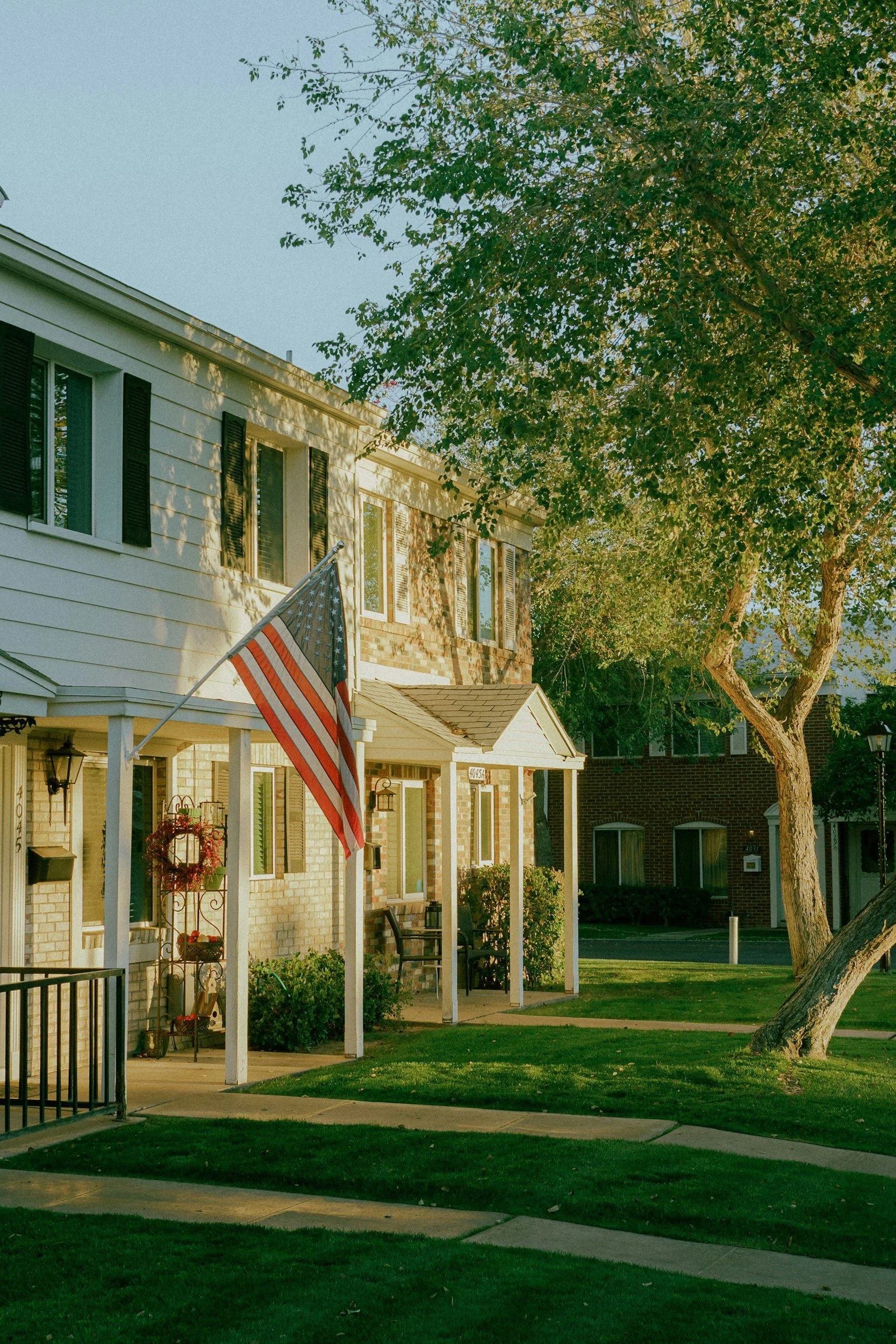
Across New Jersey — especially in suburban developments, townhome communities, and older neighborhoods — homes are built close together.
That means your home doesn’t exist in isolation.
👉 What happens on the property next to you can directly impact your exterior.
💧 Water Doesn’t Respect Property Lines
One of the biggest hidden issues we see is improper drainage from neighboring homes.
If a nearby roof:
Has clogged or overflowing gutters
Is pitched in a certain direction
Or lacks proper drainage systems
Water can be pushed toward your property — and eventually your foundation, siding, or roofline.
Over time, this can lead to:
Soil erosion near your home
Water pooling around your foundation
Increased moisture exposure on siding and roofing materials
🌳 Tree Overhang = Shared Problem
Trees don’t follow property lines either.
If your neighbor has trees hanging over your home, you may deal with:
Leaves constantly clogging your gutters
Branches scraping against shingles
Increased moisture buildup from shade
👉 Even if your roof is in great condition, outside factors can wear it down faster.
🌬️ Wind Patterns Between Homes
This is something most homeowners never consider.
When homes are built close together, they can actually create wind tunnels — especially during storms or heavy gusts.
This can cause:
Increased pressure on certain sides of your roof
Shingles loosening over time
Uneven wear that doesn’t match the rest of the roof
🏡 Townhomes & Shared Structures
If you live in a townhome or attached property, the connection is even more direct.
Issues from neighboring units can impact:
Shared roofing systems
Drainage paths
Structural components
Sometimes, what looks like “your problem” actually originates next door.
🔍 What Homeowners Should Do
You don’t need to start inspecting your neighbor’s house — but you should be aware of your surroundings.
A professional exterior inspection can help identify:
✔️ Drainage patterns affecting your home
✔️ External factors causing wear and tear
✔️ Early signs of damage you might not notice
📍 Local Insight: New Jersey Homes
Because of how densely many NJ neighborhoods are built, these types of issues are more common than most homeowners realize.
It’s not about blame — it’s about awareness.
👉 Final Thoughts
If something seems off with your roof, siding, or drainage — don’t just look at your home.
Take a step back.
Sometimes, the source of the problem isn’t yours — but it’s still affecting you.