Why Does Your Roof Clear Snow Before Everyone Else's?
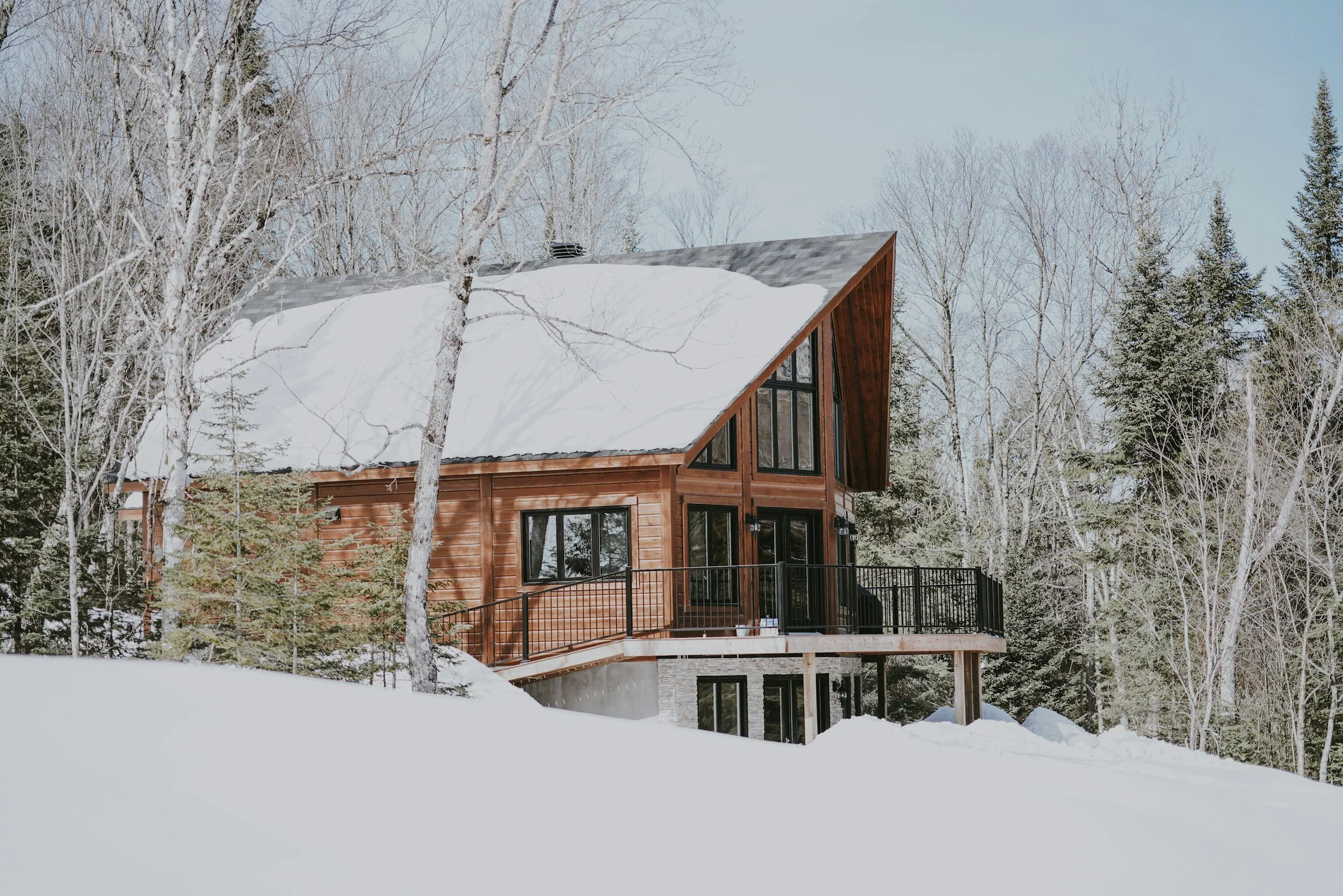
Ever notice how some roofs on your street are completely clear of snow while others still have a thick white blanket? If your roof is the one that's bare while everyone else's is still covered, you might think you've got superior snow-melting technology. The reality? Your roof is probably waving a big red flag about energy waste and potential problems.
What's Really Happening Up There
When your roof melts snow significantly faster than your neighbors', it's usually because heat is escaping from your home through the attic and roof deck. That warmth melts the snow from underneath, which might seem convenient until you realize you're essentially heating the outdoors while your energy bills skyrocket.
Here's what's likely going on:
Poor Attic Insulation If your attic insulation is insufficient, compressed, or improperly installed, heat from your living spaces rises straight through to the roof deck. In winter, your attic should be cold—close to the outdoor temperature. If it's warm enough to melt snow, you're losing conditioned air and money.
Inadequate Ventilation Your attic needs proper airflow to regulate temperature and moisture. Without adequate intake and exhaust vents, hot air gets trapped against your roof deck. This creates that snow-melting effect in winter and can lead to premature shingle failure and moisture damage year-round.
Air Leaks Gaps around recessed lights, attic hatches, plumbing penetrations, and other openings allow warm air to flood into your attic space. Even small leaks add up to significant heat loss, and your rapidly melting roof is the evidence.
Why This Matters Beyond Your Energy Bill
The "melting roof syndrome" isn't just about wasted energy. It creates a cascade of problems:
Ice Dams When snow melts on the warm upper portions of your roof and refreezes at the colder eaves, you get ice dams. These can force water under your shingles, leading to leaks, water damage, and costly repairs.
Shortened Roof Lifespan Excessive heat in your attic accelerates shingle aging. Those temperature extremes break down roofing materials faster than they should, meaning you'll need a replacement sooner than expected.
Moisture and Mold Issues Temperature imbalances create condensation, which leads to moisture problems, wood rot, and potential mold growth in your attic and roof structure.
Uncomfortable Living Spaces If heat is escaping through your roof in winter, your home is probably harder to keep warm. In summer, that same poor insulation and ventilation makes your home harder to cool.
What Your Neighbors Are Doing Right
Roofs that hold snow longer (within reason) typically belong to homes with:
Proper attic insulation at the recommended R-value for your climate zone
Balanced ventilation systems with adequate intake and exhaust
Sealed air leaks and penetrations
A cold attic that stays close to outdoor temperatures
These homes retain their conditioned air where it belongs—in the living spaces—and their roofs perform the way they're supposed to.
The Solution: A Comprehensive Approach
Fixing a fast-melting roof isn't just about throwing more insulation in your attic (though that might be part of it). It requires a systematic approach:
Professional Attic Inspection – Identify insulation deficiencies, ventilation problems, and air leaks
Air Sealing – Close gaps and penetrations before adding insulation
Proper Insulation – Install or upgrade to the correct R-value for your region
Ventilation Assessment – Ensure you have balanced intake and exhaust ventilation
Roofing Evaluation – Check for damage from past ice dams or heat exposure
Don't Wait for Visible Damage
If your roof is consistently the first one clear on your block after a snowfall, you're looking at a problem that's costing you money every single day—not just in winter. The good news? These issues are fixable, and the investment in proper insulation, ventilation, and air sealing typically pays for itself through energy savings while protecting your home from damage.
At Advisor Exteriors, we don't just replace roofs—we solve roofing problems. Our comprehensive inspections identify the underlying causes of issues like rapid snow melt, ice dams, and energy loss. We'll help you understand what's happening with your roof and attic system and create a solution that protects your home and your wallet.
Ready to stop heating the neighborhood? Contact Advisor Exteriors today for a thorough roof and attic evaluation. Let's make sure your roof is working for you, not against you.
Advisor Exteriors serves homeowners throughout New Jersey with expert roofing, siding, and exterior solutions. Our experienced team combines quality craftsmanship with honest advice to keep your home protected and efficient.