Roof Repair or Full Replacement? A Simple Homeowner Decision Guide
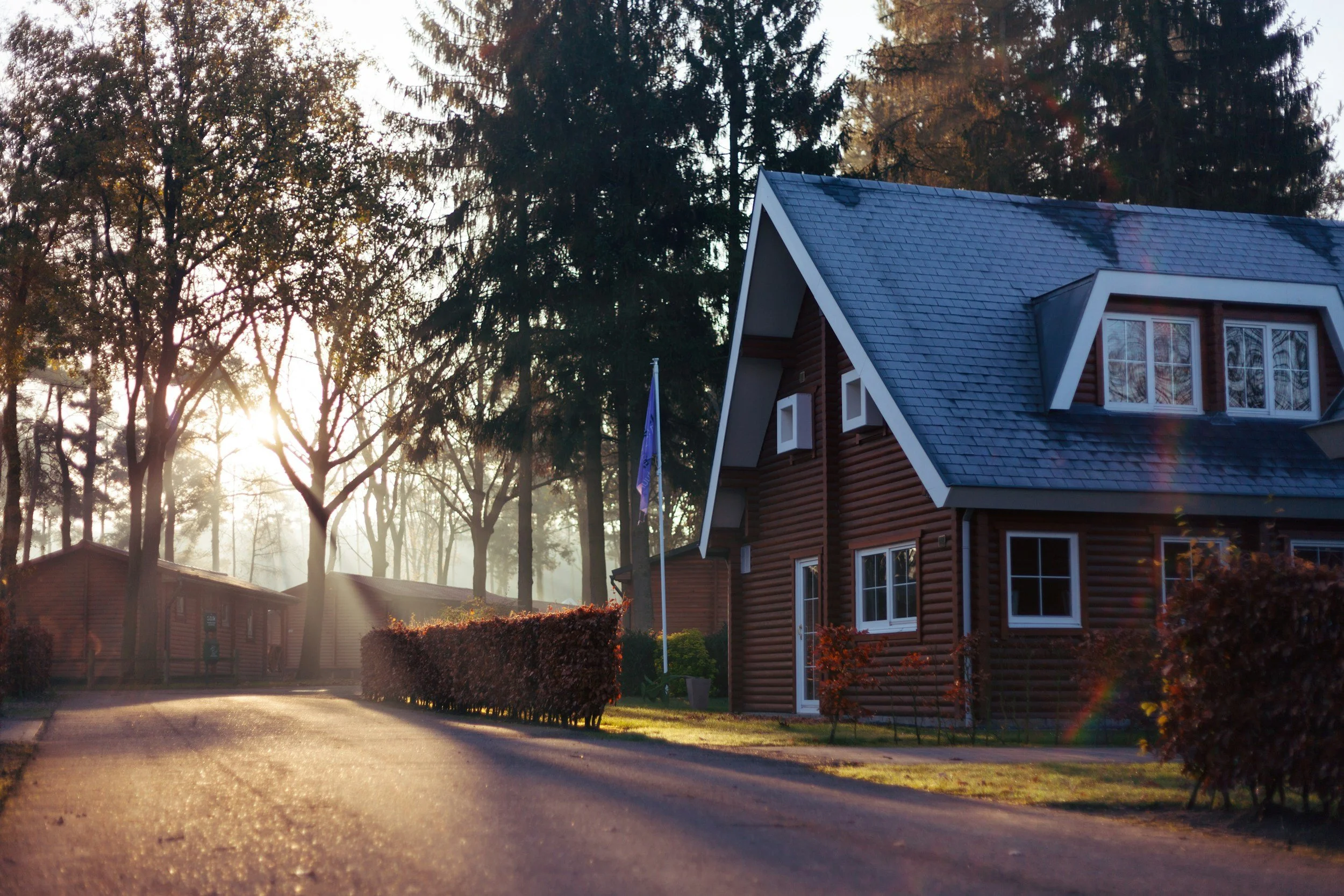
A leak in the ceiling. A few shingles in the yard after a storm. Dark streaks on the roof you’ve been ignoring for a few years.
When something’s wrong with your roof, one big question pops up fast:
“Can this be repaired, or am I looking at a full replacement?”
Most homeowners don’t climb onto their roofs or speak “roofer” fluently—and that’s exactly why it can feel so stressful to get an honest answer. In this guide, we’ll walk you through:
The signs a repair might be enough
The warning flags that point toward full replacement
How age and past work factor in
When to get a professional opinion (and what to expect)
When a Roof Repair Might Be Enough
Not every issue means you need a brand-new roof. In many cases, a targeted repair can safely extend the life of your existing system.
Here are some signs you might be in “repair territory.”
1. Damage Is Localized to a Small Area
If damage is limited to a small, clearly defined spot—like a few shingles blown off in one corner or a leak around a specific vent—there’s a good chance a skilled roofer can repair just that section.
Examples include:
A small area below a tree branch that recently fell
A leak only when rain is driven from a certain direction
A few missing or cracked shingles in an otherwise healthy field
In these situations, replacing the damaged shingles, fixing flashing, and sealing problem points can often solve the issue without touching the rest of the roof.
2. Your Roof Is Relatively Young
If your asphalt shingle roof is under about 10–12 years old and was properly installed and ventilated, it may still have plenty of life left.
In that case, addressing isolated issues—like a compromised pipe boot, loose flashing, or a handful of damaged shingles—can be a smart, budget-friendly option.
3. No Widespread Granule Loss or Curling
Granules are the tiny, sand-like pieces that give shingles their color and protect them from UV damage. If they’re still largely intact and your shingles lay relatively flat, your roof may still be structurally sound.
A roofer may recommend:
Replacing damaged or missing shingles
Repairing or replacing flashing around chimneys, skylights, or vents
Sealing exposed nails (“nail pops”)
Addressing a specific ventilation or insulation issue that caused the problem
The key is that the overall system is still in good shape, and the problem is narrow and clearly fixable.
When It’s Time to Start Thinking About a Full Replacement
On the other hand, there are situations where a patchwork approach will only buy you a little time—and may end up costing more in the long run.
Here are major signs you should seriously consider replacement.
1. Your Roof Is at or Past Its Expected Lifespan
Most standard asphalt shingle roofs are designed to last about 20–25 years under normal conditions. If your roof is in that age range—or older—even minor issues can be a symptom of a system that’s simply wearing out.
If you’re not sure how old your roof is, a roofer can often estimate based on:
Shingle type and condition
Installation methods
Visible wear patterns
If your roof is already “on borrowed time,” investing in repeated repairs may not be the best use of your money.
2. Widespread Shingle Problems Across the Roof
Look for:
Curling or cupping shingles – edges lift up or the center dips
Cracked or brittle shingles – they break easily when handled
Widespread bald spots – missing granules, black patches, or the fiberglass mat showing through
If you see these issues across large sections of the roof—not just in isolated spots—it’s a strong sign that the shingles are nearing the end of their life.
Replacing a few shingles here and there won’t fix the underlying issue: the entire roof system is aging out.
3. Multiple Leaks in Different Areas
One leak can often be traced to a specific cause: a failed flashing detail, a nail pop, or a puncture.
But if you have:
Stains on ceilings in several rooms
Water marks that keep spreading from different directions
Leaks that appear in new places after each big storm
…your roof may have systemic weaknesses.
That can indicate:
Failing underlayment
Poor installation in the past
Age-related deterioration
Inadequate flashing or ventilation design
At that point, continuing to chase leaks with small repairs can turn into “roof whack-a-mole”—fixing one problem only for another to appear.
4. Sagging Spots or Structural Concerns
If sections of your roof look like they’re dipping or sagging, that’s a serious red flag. It may indicate:
Rotting roof decking
Long-term moisture damage
Structural issues with rafters or trusses
This is a safety concern as much as a cosmetic one and usually calls for more than a surface-level fix. A full replacement—and sometimes structural repair—is often the safest choice.
The Hidden Costs of Repeated Repairs
It’s understandable to want to put off a major expense like roof replacement. But there’s a tipping point where repeated repairs become false economy.
Consider:
Labor adds up – Multiple visits from a crew over a few years can easily total thousands of dollars.
Interior damage risk grows – Every new leak risks drywall, insulation, framing, and even electrical systems.
Insurance complications – Some insurers may push back on repeated water damage claims if the roof is clearly at the end of its life.
If you’re scheduling repair after repair—and especially if your roofer keeps warning that the roof is “near the end”—it may be time to step back and look at the bigger picture.
How Roof Age, Material, and History Factor In
Every roof has its own story. When a company like Advisors Exteriors inspects your roof, they’re not just looking at what’s wrong today—they’re looking at the whole picture:
Installation quality – Signs of shortcuts (like improper nailing patterns or skipped underlayment) can shorten lifespan.
Ventilation & insulation – Poor attic ventilation can cook shingles from underneath, aging them much faster than normal.
Previous repairs – Layers of old patchwork, mismatched shingles, or excessive roofing cement can indicate past issues and hidden problems.
Number of shingle layers – Some roofs have more than one layer of shingles, which can affect weight, performance, and local code compliance.
These details help determine whether a repair is a smart move—or whether it’s time to invest in a roof that will protect your home for decades to come.
What to Expect From an Honest Roof Inspection
If you’re unsure whether you need a repair or replacement, the next step is simple: get a professional, no-pressure inspection.
Here’s what a visit from a reputable roofing company should include.
1. Exterior Review
Visual inspection from the ground and on the roof (when safe)
Check shingles, flashing, vents, chimneys, skylights, and gutters
Look for signs of damage, wear, and improper installation
2. Attic Check (When Accessible)
Inspect for signs of moisture, staining, or mold
Look for light coming through where it shouldn’t
Check insulation levels and ventilation patterns
3. Clear Explanation in Plain Language
You should be shown:
Photos or videos of any issues they find
A breakdown of what can be repaired vs. what truly should be replaced
A realistic timeline: what’s urgent vs. what can be monitored
You should never feel confused about why a recommendation is being made.
4. Transparent Pricing and Options
After the inspection, you should receive:
A written estimate for a repair if it’s a viable option
A written estimate for full replacement if that’s appropriate
Information about material options, warranties, and any available financing
Most importantly, you should not feel pressured to make a decision on the spot. A good roofer gives you space to think, compare, and ask questions.
How Advisors Exteriors Helps You Make the Right Call
Your roof is one of the biggest investments you’ll ever make in your home—and it’s also one of the most important for protecting everything underneath it.
A trustworthy roofing partner isn’t there just to “sell you a roof.” Their job is to help you understand:
What your home truly needs
What’s urgent vs. what can wait
Which option makes the most sense for your budget and long-term plans
That means:
Being upfront when a simple repair will do the job
Being honest when replacement is the smarter long-term move
Explaining your options in plain English, not contractor jargon
Standing behind their workmanship with strong warranties and responsive service
Not Sure Where You Stand? Start With Answers, Not Pressure
If you’ve noticed leaks, missing shingles, or just have a feeling your roof is getting old, don’t wait for the next big storm to find out the hard way.
A thorough, honest inspection can give you clarity:
Does your roof need a repair or a full replacement?
How much longer can your current roof realistically last?
What will it cost to fix the problem the right way?
You don’t have to guess—or rely on conflicting Google results—when it comes to one of the most important parts of your home. An experienced, reputable roofing company can walk you through your options step by step, so you can make a confident decision for your home and your budget.